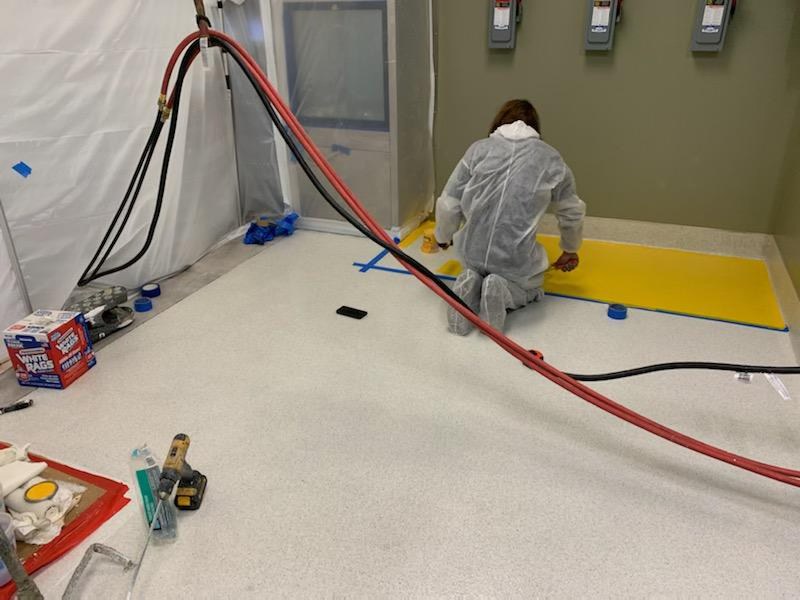
Proper surface preparation is the foundation for any successful epoxy flooring project. Here in Colorado, the climate creates challenges with temperature swings and moisture levels. If you skip this step or do it poorly, you risk failure.
Epoxy must bond to the concrete. If the concrete is dirty, oily, cracked, or uneven, that bond will fail. The result is peeling, bubbling, and a floor that looks bad and won't last. Nobody wants that.
Who should care? If you own or manage a warehouse, commercial property, auto shop, or healthcare facility, this is important. The same is true for homeowners who want epoxy in their garages. Businesses trust Epoxy Flooring Colorado because quality installation makes all the difference. Epoxy Flooring Colorado for durable, seamless surfaces that stand up to heavy traffic and daily wear.. Anyone investing in epoxy flooring must get this right.
Resin Flooring Experts (RFE) understands this. For warehouses, retail spaces, and other commercial buildings, they prepare the concrete well. This ensures the epoxy coating sticks, giving you a durable, easy-to-clean surface. It's about long-lasting performance and appearance.
What if you don't prep the surface well? Your epoxy will fail early. Cracks can show through the coating, and delamination (where the epoxy separates from the concrete) becomes a problem. You'll spend more money on repairs and reapplication than you would have by prepping the surface correctly. It's a big deal.
Let's discuss what can ruin your epoxy floor if you skip surface prep. It's not complicated, but it matters.
Consider this: oil, grease, dust—all of that must go. If it stays, the epoxy won't stick. You'll see peeling, bubbling, and other problems later. Previous coatings also matter. You can't just apply epoxy over old paint. Remove it, or at least roughen it, so the epoxy can grip.
Moisture is another big problem. Epoxy and water don't mix. If the concrete is damp, the epoxy won't bond. Bubbles or delamination might appear later.
Here in Colorado, we face some unique issues. Temperature changes happen a lot. Concrete expands and contracts, and poor epoxy bonding makes those changes worse. High altitude can also change the epoxy curing time, so be aware and adjust. In short, poor surface prep causes problems, especially in Colorado.
Key Metrics for Evaluating Commercial Epoxy Flooring Success
Concrete grinding uses diamond tools to smooth rough surfaces. It removes coatings and opens concrete pores. This lets epoxy grip the surface. It works best on even surfaces when you want a good base for adhesion. Use different diamond grit levels, from coarse to fine, to get the surface texture you want. Control dust because it interferes with the epoxy bond.
Shot blasting is stronger. It shoots steel at high speed against the concrete. This removes coatings and makes a consistent surface, mainly on large areas. It's useful for factories or warehouses where concrete is dirty or damaged. Use the right shot size for your concrete and epoxy. Dust collection matters here because shot blasting makes many particles.
Scarifying, or milling, uses rotating teeth to remove concrete. It's for uneven or damaged surfaces when you must remove material. It levels floors that are in bad shape. It also creates a bond when you put on a thick epoxy. You need heavy-duty dust control for this.
Chemical etching uses acid on the concrete. The acid dissolves a surface layer and makes a base for the epoxy to bond. Use it on small areas or when machines won't work. Always neutralize the acid and rinse the surface. Be careful because acids are dangerous. Understand the acid and concrete reaction.
Dust control is key. Concrete dust has silica, which hurts your health. Use vacuums with HEPA filters to cut down on particles in the air. Use plastic to keep dust from spreading. Workers should wear masks, eye protection, and clothing. Ignoring dust control creates a health risk and hurts the epoxy's grip, which leads to early failure.
Achieving the correct surface profile is critical for epoxy adhesion. A rough surface, often created through grinding or shot blasting, provides the mechanical key needed for the epoxy to bond effectively. Without this profile, the epoxy may peel or delaminate over time, leading to costly repairs.
Excessive moisture in the concrete substrate can severely compromise an epoxy floor. Conduct moisture testing using calcium chloride tests or electronic meters to identify potential issues. Addressing moisture problems before applying epoxy is essential for a long-lasting and durable floor.
Surface contaminants like oil, grease, and dust can prevent proper epoxy adhesion. Thorough cleaning using detergents, degreasers, or mechanical methods is crucial. Ensure the surface is completely free of contaminants before proceeding with the epoxy application.
Let's discuss concrete grinding. It's key for epoxy to stick in places like Colorado, where temperature changes can stress a floor. You must grind the concrete first. Epoxy needs something to grip.
A big mistake? Skipping vacuuming. Dust is bad. Vacuum often during and after grinding. If you skip this, the epoxy won't bond well. You'll see peeling later. Another error is bad grinding. Don't run the grinder randomly. Use a system to grind evenly. Overlap passes.
Grinding readies the concrete, making a profile. This is the Concrete Surface Profile, or CSP. Epoxy makers tell you the CSP number you need. It gauges roughness. To get there, use diamond grinding tools. Grit size matters. Start with a rougher grit to remove coatings or dirt. Then, use finer grits to smooth the surface. These tools handle concrete.
If you don’t grind enough, the epoxy won’t stick. Too much grinding wastes time and money. Getting the CSP right means a lasting epoxy floor, mainly in tough spots like warehouses or auto shops.
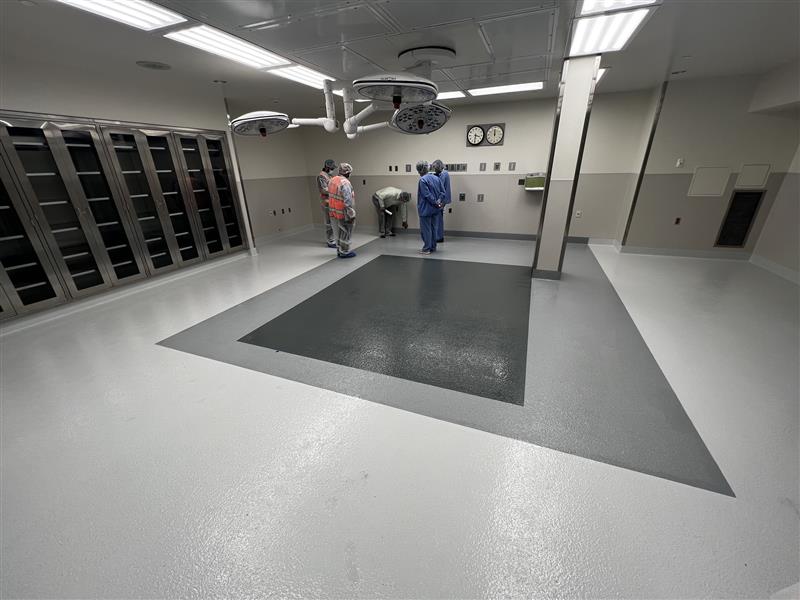
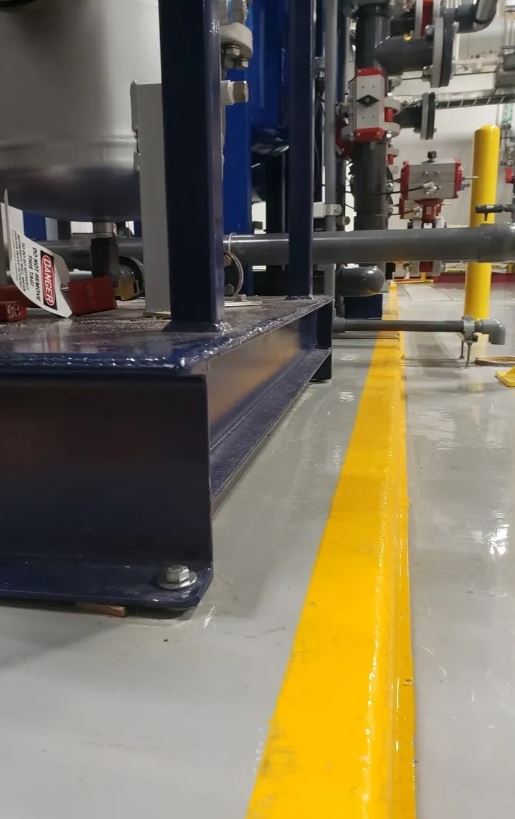
Shot blasting is a very effective way to prep concrete floors, especially in big spaces like warehouses or industrial buildings in Colorado. A machine shoots tiny steel beads at the concrete surface. The impact removes coatings, dirt, or weak concrete. This leaves a clean, textured surface that epoxy can grip.
You can control how rough the surface gets by changing the shot size. Bigger shot creates a more aggressive profile. This may be needed for thicker epoxy coatings or floors that have seen heavy use. The machines include vacuums to remove dust and debris. This keeps the workspace cleaner and safer.
How does shot blasting compare to concrete grinding? Grinding is another common method, but shot blasting is often more affordable and faster for large areas. Grinding can take longer to cover the same space, which means higher labor costs. Shot blasting gets the job done faster, so your commercial epoxy flooring project in Colorado can be completed sooner.
Scarifying is an intense way to prep concrete for epoxy. This is especially true when you're dealing with a commercial space in Colorado that needs a solid floor. Consider it controlled demolition for your floor's surface. It's the method to use for removing old, thick coatings. It also fixes concrete that's seen better days. Finally, it makes sure the new epoxy has something to grip.
Let's break it down. Scarifying uses machines—scarifiers or planers—that have rotating drums fitted with teeth or cutters. These teeth grind away the top layer of concrete. It’s not subtle, but that’s the point when you need to remove a heavy coating or level some damage.
Here is why this technique is great. It works for warehouses or industrial facilities where you might have layers of old epoxy, paint, or other gunk. It’s also good for places where the concrete itself is cracked, spalled, or uneven. Scarifying creates a rough surface profile. That profile is key for epoxy to bond. Resin Flooring Experts know this process well.
Next steps: Remember dust collection. Scarifying kicks up a lot of dust. It’s not just a nuisance. It can mess with the epoxy application and be a health hazard. So, you need a heavy-duty vacuum system hooked up to the scarifier to suck up all that debris as you go. Trust me, your lungs (and your epoxy floor) will thank you.
Let's talk about chemical etching. It uses acid to prep concrete for epoxy. An acid solution eats away at the top layer of the concrete. This creates a surface the epoxy can grip.
Safety first! We're talking acid, so you need proper PPE: gloves, eye protection, and maybe a respirator, depending on the acid and ventilation. Don't skimp.
The process applies the acid solution, lets it react (you'll see bubbling), and then neutralizes it. Don't just rinse with water. You need a neutralizing agent, like soda ash, to ensure the acid is completely gone. Otherwise, it can cause problems with the epoxy later.
What about the waste? Don’t dump the acidic water down the drain. Dispose of it properly, per local rules. You might need to contain it and have a waste company take it away.
Here is why: Chemical etching isn't always the best choice. It's messier than grinding. Also, it doesn't work well on sealed or coated concrete. It’s only good for clean, bare concrete. Even then, you must be careful about neutralization. If you aren't, you risk adhesion problems with your epoxy flooring.
Before you pour epoxy, you must check the moisture levels in your concrete. This is critical, especially in Colorado. Colorado's climate has huge temperature swings that affect moisture levels in concrete.
How do you check? Two common methods exist: the calcium chloride test and the relative humidity (RH) probe test. The calcium chloride test uses a dish of calcium chloride on the concrete. You seal it and measure how much moisture it absorbs over time. The RH probe test involves drilling small holes into the concrete. Then you insert a probe to measure the humidity inside.
What's next?
Before you apply epoxy, deal with any cracks, spalls, or other flaws in the concrete. Epoxy is only as good as the surface it sticks to. If that surface is crumbling, your epoxy floor is in trouble.
What do you do? First, check the damage. Small cracks can be filled with an epoxy patching compound. These bond with the existing concrete and create a smooth, level surface. For larger damage, like spalling (where the concrete surface has chipped or flaked away), you might need a cement overlay. This is a thin layer of concrete applied over the existing surface to create a fresh, even base.
Here is why proper bonding is key. Clean the damaged area before applying any repair material. Remove any loose debris, dust, or oil. You might need to etch the surface to create a better bond. Follow the manufacturer's directions for the repair material, especially for mixing ratios and curing times. If you rush the curing process, the repair will not be as strong.
If you skip this step, moisture can get trapped under the epoxy. This can cause bubbling, peeling, and a failed epoxy floor. In a commercial setting like a warehouse or retail space, that is a costly problem you want to avoid.
Primers are key for epoxy flooring, especially in Colorado commercial settings with temperature changes and heavy use. A primer makes the epoxy stick. It ensures the epoxy flooring adheres to the concrete under it. Without primer, floors can peel and crack.
Different primers exist for different situations. Some work better on porous concrete. Others handle moisture. Epoxy-based primers create a chemical bond with the concrete and the epoxy topcoat. Moisture-mitigating primers are also an option, which is important in Colorado, where concrete holds moisture.
Proper application matters. Apply the primer evenly. Follow the manufacturer's directions for thickness and drying time. Use a roller or brush to apply a thin coat.
Primer choice depends on the concrete's condition. Is it old and porous? Is there moisture? Test the concrete's porosity and moisture content before choosing a primer. If you skip this, the epoxy won't bond.
Dust control matters a lot when you prep for epoxy flooring. When you grind concrete, you create dust. This dust can hurt how well the epoxy sticks. You must remove it.
How can you handle it? HEPA vacuums work well because they trap almost all dust. Dust shrouds that connect to your grinders also work. They grab dust as it forms.
Why do this? Concrete dust harms your health. Breathing it can cause breathing issues. OSHA has rules about this, so follow them. Ignoring the rules can mean fines and risk for your workers.
Sometimes, hiring a dust control service makes sense. They have the gear and know-how to lower dust levels. Also, you can focus on the epoxy. It might cost more, but it can save you problems later. In places like Colorado, where the air is dry, dust control helps make epoxy flooring safe and smooth.
Proper surface preparation is key for commercial epoxy flooring in Colorado. You might want to do it yourself, but hiring pros like Resin Flooring Experts (RFE) can save you trouble and money.
They know surface preparation methods well. This includes shot blasting and diamond grinding. They know which one to use for your floor and epoxy. They also have the right heavy-duty equipment.
DIY surface preparation can be risky. If you do it wrong, the epoxy won't bond. You could have peeling, cracking, or bubbling. Then you must deal with repairs or a new floor. That will cost more than hiring a pro.
Also, consider local rules. Colorado may have rules for surface preparation, like dust control and material disposal. Pros know these rules, so you don't have to worry about compliance. RFE, for example, knows the details.
Let's examine some epoxy flooring projects in Colorado. Surface preparation made all the difference in these projects. The epoxy’s success depends on what it sticks to.
We worked on a warehouse in Denver. The old concrete floor was cracked and stained with oil. Epoxy applied directly would have peeled. We ground the floor, filled cracks with concrete repair compound, and degreased the surface. The epoxy bonded well. Years later, it’s still strong.
Next, we worked on a retail space in Boulder. They wanted a decorative epoxy floor, but we had to remove the existing tile floor first. We mechanically removed the tile and thin-set mortar. Then, we ground the concrete smooth. The result was stunning. Check out the before and after photos.
Healthcare facilities also need good surface preparation. They need sterile and easy-to-clean floors. We worked on a facility in Fort Collins. We paid close attention to detail around drains and corners. Imperfect surface preparation could allow bacteria to grow.
Surface preparation matters even in home garages. People often try to apply epoxy in their garages without preparing the floor. This is a mistake. Hot tires will lift the epoxy. We grind the surface and use a moisture meter to ensure the concrete is dry before starting.
Thinking about epoxy flooring for your Colorado business? Good choice! If you want that epoxy floor to last here, with our intense weather, do not skip the prep work. It is that important.
Think of it this way: the epoxy is only as good as what it sticks to.
You must grind down the existing surface to remove old coatings, dirt, or anything else that will stop the epoxy from bonding. Then patch any cracks or holes. Even tiny imperfections can cause problems later. Make sure the surface is clean and bone dry.
Why all the fuss? Without proper prep, expect bubbles, peeling, and a floor that does not hold up. That’s a waste of money.
This is not always a DIY job, especially for larger commercial spaces. Specialized equipment is needed, and you must know what you are doing.
That's where we come in. Resin Flooring Experts (RFE) knows Colorado floors. We know what it takes to get epoxy flooring done right the first time. We are experts in durable, easy-to-clean epoxy coatings ideal for warehouses, retail spaces, and other commercial buildings.
Considering epoxy flooring for your warehouse, retail space, or anything else? Call us. We can assess your needs, explain the prep process, and give you a free quote. Let's make sure your new floor lasts. Contact us today for quotes and consultations!